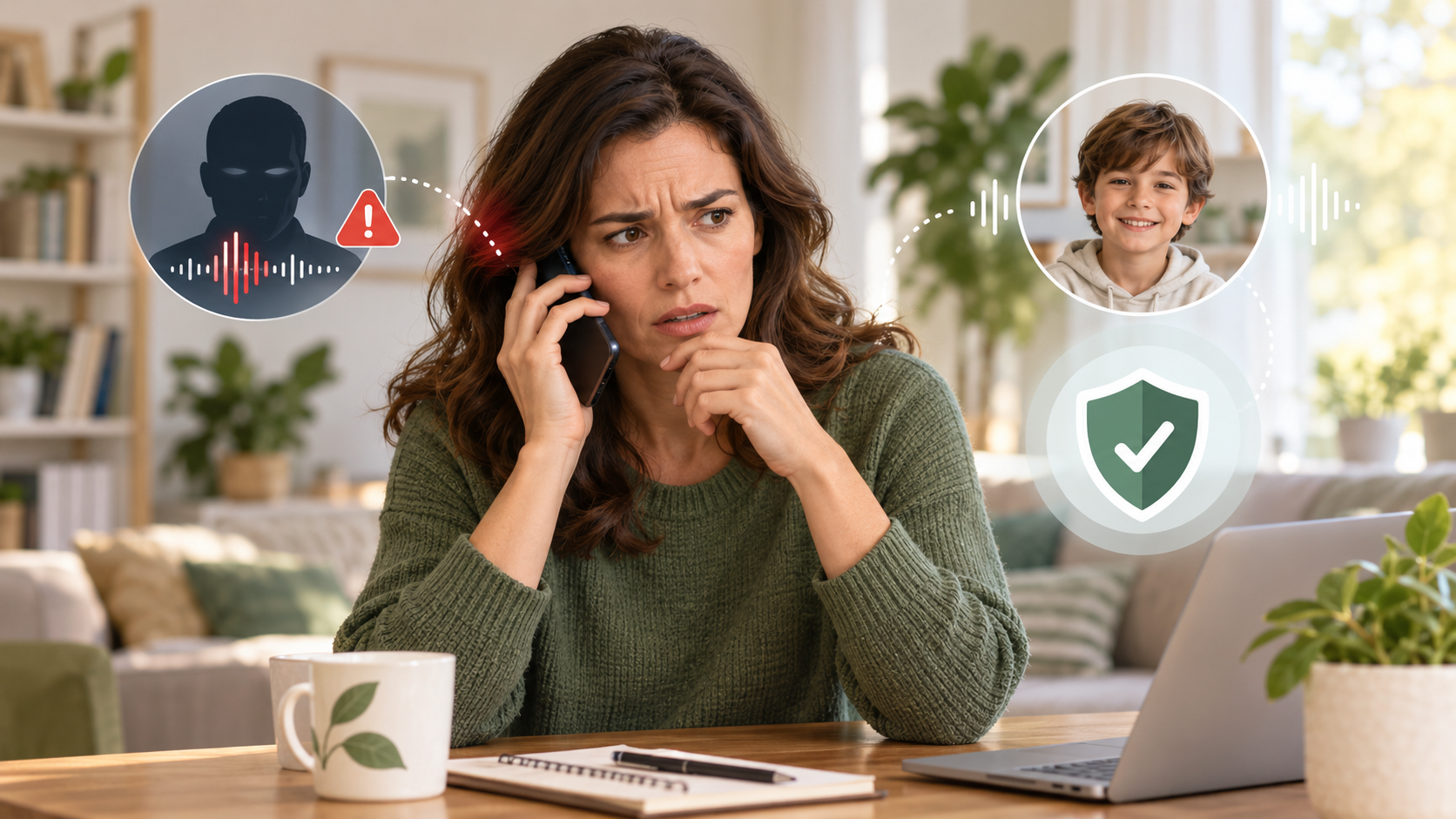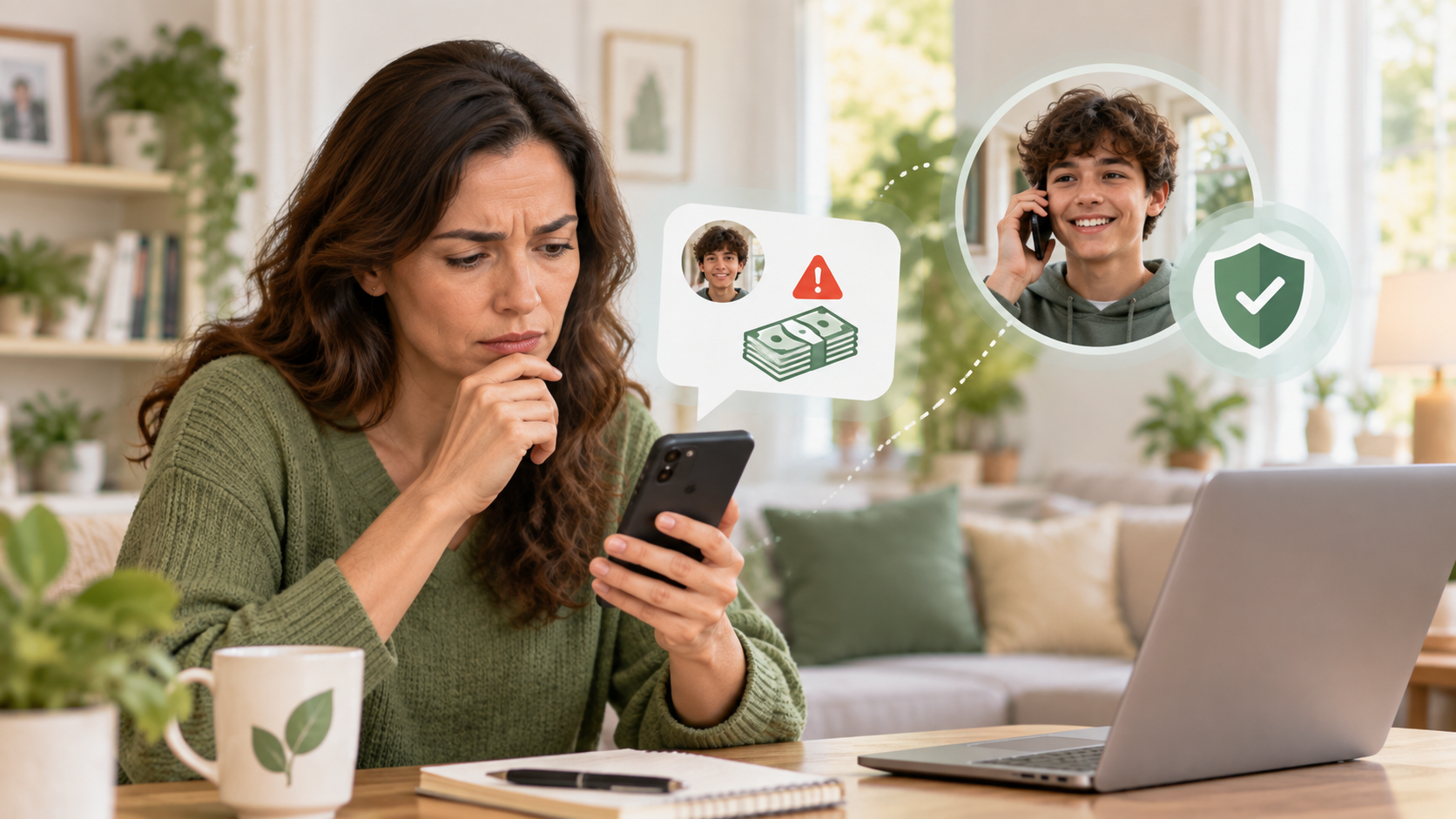

An unexpected message from a family member asking for money can create immediate pressure. The request may mention an accident, medical emergency, lost phone, frozen account or another situation that seems to require action right away.
Sometimes the request is genuine. But scammers also use compromised accounts, impersonation and increasingly convincing messages to make people believe they are communicating with someone they know.
The safest response is not to ignore every request. It is to verify before acting.
1. Do not send money immediately
Urgency is one of the most common tools used in scams.
A message may say that money is needed within minutes, that the person cannot speak on the phone or that something terrible will happen if you delay.
Before making a payment, stop.
A genuine emergency can usually survive the few minutes needed to verify who you are dealing with.
2. Contact the person using a number you already know
Do not rely on the phone number, WhatsApp account, email address or social profile that sent the request.
Instead, use a contact method you already had before the request arrived.
Call the family member directly.
If they do not answer, try another trusted relative who may know where they are.
The goal is to create a second, independent line of verification.
3. Ask a question only the real person is likely to answer
If direct contact is difficult, ask something specific.
This could be a recent family detail, a shared experience or another piece of information that would not normally be available to a stranger.
Avoid questions whose answers can easily be found on social media.
For families, a private verification phrase can also be useful for unusual or urgent requests.
4. Be cautious when the payment method changes
A familiar person suddenly asking for payment through an unfamiliar bank account, gift card, cryptocurrency wallet or another unusual method deserves extra attention.
Scammers often redirect victims toward payment methods that are difficult to reverse.
A change in account details does not automatically mean fraud, but it should trigger additional verification.
5. Watch for unusual writing or behaviour
Look at more than spelling.
Ask yourself:
Does the person usually write this way?
Are they using an unusual greeting?
Are they refusing a voice or video call?
Are they putting unusual pressure on you?
Are they asking you to keep the request secret?
A single unusual detail may mean nothing. Several together can be a warning sign.
6. Do not share OTPs, PINs or login details
An urgent money request should never require you to reveal your banking password, card PIN, UPI PIN or one-time password.
If someone asks for these details, stop immediately.
Banks and legitimate payment services do not need your private authentication credentials in order to receive money.
7. If you already sent money, act quickly
Contact your bank or payment provider as soon as possible.
Explain that you may have sent money as a result of impersonation or fraud.
Keep screenshots, transaction references, phone numbers, email addresses and messages.
Do not delete the conversation.
These records may be useful when reporting the incident or asking the payment provider for assistance.
Final Thought
When a request appears to come from someone you love, emotion can make verification feel unnecessary or even uncomfortable.
But checking first is not a sign of distrust.
It is a simple family safety habit.
A short call, a second confirmation or one private question can prevent an urgent-looking message from becoming an expensive mistake.
Recommended Reading
Is That Really You?
The Family Protection Plan for AI Voice Clones, Fake Bank Calls, Imposter Scams & Online Fraud.
Explore the book on LeaforaBooks for a practical family system for verifying suspicious calls, messages and urgent requests.